

Oily dandruff isn’t just about visible flakes on your shoulders. It’s a complex condition driven by scalp sebum secretion and dysbiosis that affects millions of Australians. While most treatments mask symptoms temporarily, microbiome-friendly solutions target the root causes of flaking, itching and irritation. This guide reveals how fast acting relief works without creating long-term chemical dependency, combining keratolytic agents, antifungal compounds and inflammation control to restore your scalp’s natural balance quickly and sustainably.
Table of Contents
- Understanding Oily Dandruff And Scalp Microbiome Imbalance
- How Fast Acting Dandruff Relief Targets The Root Causes
- Innovations In Dandruff Treatment: Microbiome-Friendly And Long-Term Options
- Practical Tips For Achieving Rapid Dandruff Relief And Maintaining Scalp Health
- Find Fast Acting Dandruff Relief With Victory Serums
- Frequently Asked Questions
Key takeaways
| Point | Details |
|---|---|
| Root cause targeting | Fast acting relief addresses sebum dysregulation, fungal overgrowth and microbiome imbalance simultaneously. |
| Specialised formulations | Oily dandruff requires keratolytic, antifungal and sebum-regulating ingredients working together. |
| Microbiome preservation | Products that maintain healthy scalp flora reduce harsh chemical dependency and prevent recurrence. |
| Emerging innovations | New treatments like PDE4 inhibitors and patented antifungal combinations show sustained long-term control. |
| Rapid symptom relief | Combining multiple active agents delivers visible improvement within 2 to 4 weeks of consistent use. |
Understanding oily dandruff and scalp microbiome imbalance
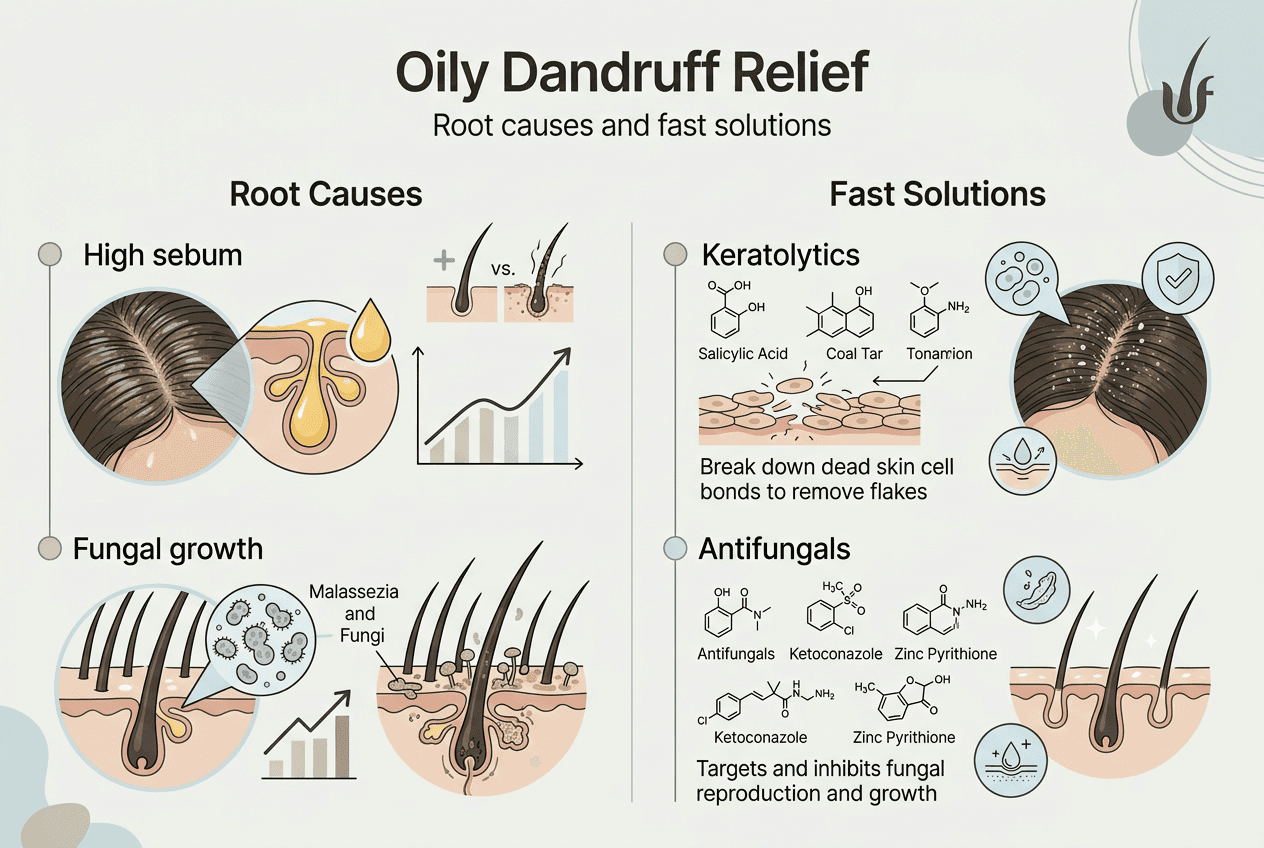
Oily dandruff stems from excessive sebum production that creates an ideal environment for Malassezia fungi to thrive. Unlike dry dandruff with fine white flakes, oily dandruff produces thick yellowish scales that cling to your scalp and hair. These flakes form when sebum blocks follicles, triggering inflammation and accelerating skin cell turnover.
Oily scalp dandruff starts with sebum. Read why you have a sebum problem, not a flake problem.
The condition involves much more than cosmetic concerns. Seborrheic dermatitis complex etiology reveals that immune system dysregulation and barrier dysfunction play critical roles. When your scalp’s protective barrier weakens, it becomes vulnerable to irritants and pathogens. The Malassezia yeast, which naturally lives on everyone’s scalp, multiplies rapidly in sebum-rich environments. Its metabolic byproducts trigger inflammatory responses that worsen flaking and itching.
Scalp microbiome dysbiosis amplifies these problems. A healthy scalp hosts diverse bacterial and fungal communities that regulate sebum production, control inflammation and protect against pathogens. When this balance shifts, harmful microbes dominate while beneficial species decline. The result is a self-perpetuating cycle:
- Excess sebum feeds Malassezia overgrowth
- Fungal metabolites trigger immune responses and inflammation
- Inflammation increases skin cell turnover and sebum secretion
- Thick flakes trap more sebum and microbes
- Follicle blockage prevents proper hair growth and scalp renewal
Understanding these interconnected mechanisms is essential for selecting treatments that deliver lasting relief rather than temporary symptom suppression. Traditional anti-dandruff products often disrupt the entire scalp ecosystem, creating dependency on daily chemical intervention. Microbiome-aware approaches restore balance while minimising collateral damage to beneficial flora. For deeper insight into these dynamics, explore our scalp itch microbiome guide and learn what causes scalp flakes in most cases.
How fast acting dandruff relief targets the root causes
Effective rapid relief requires simultaneous action on multiple fronts. Keratolytic agents like salicylic acid dissolve the bonds between dead skin cells, allowing thick flakes to lift away easily. This mechanical action unclogs follicles and reduces the sebum buildup that feeds fungal overgrowth. By clearing surface debris quickly, keratolytics create a cleaner environment for other active ingredients to penetrate and work.
Antifungal compounds deliver the second critical strike. Piroctone olamine effectiveness in controlling Malassezia populations has been demonstrated across multiple clinical trials. Unlike older antifungals that can irritate sensitive scalps, piroctone olamine selectively targets fungal cells while showing excellent tolerance. When combined with salicylic acid, the two ingredients create synergistic effects that accelerate symptom improvement.
Microbiome-friendly formulations take this approach further by incorporating ingredients that support beneficial scalp flora. Rather than sterilising your scalp with harsh antimicrobials, these products create conditions where healthy microbes can outcompete problematic species. Rapid relief microbiome approaches demonstrate that preserving microbial diversity prevents the rebound flaking many people experience with conventional treatments.
The inflammation component requires equal attention. Seborrheic dermatitis involves complex inflammatory pathways that perpetuate symptoms even after fungal populations decline. Anti-inflammatory agents calm these responses, reducing redness, itching and the accelerated skin cell turnover that generates visible flakes. When you address inflammation alongside fungal control and flake removal, you break the cycle at multiple points simultaneously.
Pro Tip: Apply fast acting serums or pre-shampoo treatments to dry scalp before washing. This allows active ingredients maximum contact time with affected areas, dramatically improving their effectiveness compared to brief shampoo exposure.
Minimising harsh chemicals proves crucial for long-term success. Sulphates strip natural oils so aggressively that your scalp compensates by producing more sebum. Parabens and synthetic fragrances can trigger sensitivity reactions that worsen inflammation. Mineral oils create occlusive barriers that trap sebum and microbes. By avoiding these irritants, microbiome-friendly products support your scalp’s natural regulatory mechanisms rather than forcing it into an artificial state requiring constant intervention. Learn more about oily flakes rapid relief tips and explore our comprehensive anti-dandruff agents overview.
Innovations in dandruff treatment: microbiome-friendly and long-term options
The landscape of dandruff treatment has evolved dramatically beyond zinc pyrithione and coal tar formulations. Roflumilast, a phosphodiesterase-4 inhibitor originally developed for inflammatory conditions, has emerged as a promising option for seborrheic dermatitis. Roflumilast foam sustained improvements up to 52 weeks demonstrate excellent tolerance with minimal adverse effects. By modulating inflammatory pathways at the cellular level, this treatment addresses the immune dysregulation underlying chronic dandruff without disrupting the microbiome.
Patented antifungal combinations represent another significant advance. Anti-seborrheic dermatitis shampoo efficacy studies reveal that novel formulations sustain reductions in seborrheic dermatitis markers while promoting scalp recovery. These products combine multiple antifungal mechanisms with sebum-regulating ingredients and microbiome-supporting compounds. The result is comprehensive symptom control that doesn’t require daily application or create dependency.
Emerging research has identified specific lipid mediators that drive seborrheic dermatitis severity. Treatments targeting these pro-inflammatory molecules show promise for reducing symptoms at their biochemical source. This precision approach minimises collateral effects on healthy tissues and beneficial microbes, allowing the scalp ecosystem to maintain its natural balance.
| Treatment Type | Mechanism | Duration | Key Benefit |
|---|---|---|---|
| Roflumilast foam | PDE4 inhibition | Up to 52 weeks | Sustained anti-inflammatory effect with excellent tolerance |
| Patented antifungal shampoos | Multi-target fungal control | Ongoing maintenance | Reduces SD markers while supporting scalp recovery |
| Microbiome-friendly serums | Selective antimicrobial action | Weekly or as needed | Rapid symptom control without ecosystem disruption |
| Keratolytic combinations | Flake removal plus sebum regulation | 2-4 weeks intensive | Fast visible improvement with minimal irritation |
Regulatory changes have accelerated the shift toward safer ingredients. Zinc pyrithione, once a staple of anti-dandruff formulations, faces increasing restrictions due to environmental and safety concerns. This has driven innovation in alternative antifungals and microbiome-supporting compounds that deliver comparable or superior efficacy without regulatory risks.
Pro Tip: When evaluating new treatments, prioritise those with published clinical data showing sustained benefits beyond 12 weeks. Short-term symptom suppression doesn’t indicate true disease control or microbiome compatibility.
The focus on tolerance and safety reflects growing understanding that continuous use determines long-term outcomes. Products causing irritation, dryness or sensitivity inevitably lead to inconsistent application and symptom rebound. Microbiome-friendly innovations address this by working with your scalp’s natural processes rather than forcing it into an artificial state. Explore our dandruff prevention microbiome care strategies and discover Australian microbiome scalp care solutions designed for local conditions.
Practical tips for achieving rapid dandruff relief and maintaining scalp health
Selecting the right products forms your foundation for success. Choose shampoos that combine keratolytic agents, antifungals and sebum-regulating ingredients in a single formulation. This multi-pronged approach delivers faster results than products targeting only one aspect of oily dandruff. Look for effective oily dandruff ingredients like salicylic acid, piroctone olamine, glycolic acid and niacinamide working together.
Your treatment routine determines how quickly you see improvement:
- Apply a targeted scalp serum or pre-shampoo treatment to dry scalp, focusing on affected areas
- Leave the treatment on for 10 to 15 minutes to allow active ingredients maximum penetration
- Follow with a microbiome-friendly shampoo, massaging gently to lift loosened flakes
- Rinse thoroughly with lukewarm water, avoiding hot temperatures that stimulate sebum production
- Use treatments 2 to 3 times weekly initially, then reduce frequency as symptoms improve
Consistency matters more than intensity. Aggressive daily treatment with harsh products often backfires by stripping your scalp’s protective barrier and triggering reactive sebum production. A measured approach using microbiome-compatible formulations supports your scalp’s natural regulatory mechanisms while controlling symptoms.
Avoid common irritants that perpetuate the flaking cycle:
- Sulphates (sodium lauryl sulphate, sodium laureth sulphate) that strip natural oils
- Parabens and synthetic fragrances that trigger sensitivity reactions
- Mineral oils and heavy silicones that create occlusive barriers
- Alcohol-based products that dry and irritate the scalp
- Excessive heat styling that damages the scalp barrier
Supporting your scalp microbiome requires more than just topical products. Natural extracts and fermented ingredients promote beneficial microbial populations while reducing relapse risk. These compounds provide nutrients that healthy flora thrive on while creating unfavourable conditions for problematic species.
Lifestyle factors significantly influence scalp health. Stress triggers hormonal changes that increase sebum production and weaken immune function. A balanced diet rich in omega-3 fatty acids, B vitamins and zinc supports skin barrier integrity and reduces inflammation. Adequate hydration helps regulate sebum consistency, preventing the thick, waxy buildup that characterises oily dandruff.
Pro Tip: Track your symptoms, product use and potential triggers in a simple journal or app. Patterns often emerge that reveal food sensitivities, stress connections or product reactions you might otherwise miss.
For comprehensive guidance on addressing dandruff without harsh chemicals, review our natural dandruff treatment approaches and revisit our oily flakes treatment tips for additional strategies.
Find fast acting dandruff relief with Victory Serums
Victory Serums delivers microbiome-focused solutions specifically designed for oily dandruff and scalp irritation. Our formulations combine the scientific principles discussed throughout this guide with practical application methods that fit real life.

The Dandruff Control Intensive Shampoo combines keratolytic and antifungal agents at optimal concentrations for rapid symptom control. Paired with our targeted Scalp Serum, you can address active flare-ups quickly while supporting long-term microbiome balance. These products work synergistically within the Reset Rebalance Restore framework, helping you reduce treatment frequency over time rather than creating new dependencies. Explore the complete Scalp Dandruff Control Collection to find solutions matched to your specific scalp needs and symptom severity.
Frequently asked questions
How quickly can I expect relief from using fast acting dandruff shampoos?
Most users see noticeable symptom improvement within 2 to 4 weeks of consistent use. Clinical trials demonstrate improved scalp condition and reduced flaking, itching and redness within this timeframe using microbiome-friendly products. Individual results vary based on severity, adherence to treatment protocols and whether you address contributing factors like stress or diet. Intensive serums applied before shampooing often deliver visible improvement within the first week.
Are microbiome-friendly dandruff treatments safer than conventional options?
Yes, they are generally better tolerated and safer for long-term scalp health. Microbiome-friendly formulations reduce reliance on harsh chemicals that disrupt beneficial flora and trigger sensitivity reactions. These products support your scalp’s natural balance rather than forcing it into an artificial state requiring constant intervention. This approach minimises adverse effects while preventing the rebound flaking common with conventional treatments.
What ingredients should I look for in fast acting dandruff shampoos?
Look for keratolytics like salicylic acid or glycolic acid that remove flakes and unclog follicles. Antifungals such as piroctone olamine combat Malassezia overgrowth effectively with minimal irritation. Effective oily dandruff products include niacinamide (vitamin B3) to regulate sebum production and support barrier function. Avoid sulphates, parabens and synthetic fragrances that can worsen inflammation and disrupt the microbiome.
Can fast acting dandruff relief prevent recurrence?
Yes, when you use microbiome-friendly products that address root causes rather than just suppressing symptoms. Maintenance treatments sustain reductions in seborrheic dermatitis markers and support microbiome balance, helping prevent recurrence. Treatments targeting the scalp ecosystem reduce inflammation and fungal regrowth risks long-term. The key is transitioning from intensive relief to minimal maintenance rather than stopping treatment abruptly once symptoms clear.
Recommended
- 6 Essential Oily Flakes Treatment Tips for Rapid Relief – Victory Serums
- Understanding anti-dandruff agents: sustainable relief – Victory Serums
- Why Does Dandruff Occur? Science-Backed Scalp Insights 2026 – Victory Serums
- Dandruff treatment step by step for lasting relief – Victory Serums

Get the free 1-Week Guide to Scalp Health and uncover the real cause of your flakes.
Download the free guide
Matt Heron is the founder of Victory Serums, an Australian microbiome focused scalp care brand specialising in severe dandruff, yeast imbalance and chronic scalp instability. With more than four decades of personal experience managing persistent dandruff and extensive study of scalp biology, skin pH and barrier function, he developed targeted scalp serums that work within minutes or as leave in treatments. His Reset, Rebalance and Restore approach challenges daily anti-dandruff shampoo dependence and is helping redefine the way chronic dandruff is treated.