

Chronic dandruff affects roughly half the global population, yet many Australians remain stuck in cycles of flaking and irritation. If you’ve tried countless shampoos without lasting relief, it’s time to address the root cause: microbial dysbiosis and inflammation on your scalp. This guide walks you through a science-informed, microbiome-friendly treatment protocol designed to restore scalp balance and end the dependency on daily chemical suppression.
Table of Contents
- Understanding Dandruff And Its Causes
- Preparing For Dandruff Treatment: Scalp Care Essentials
- Step-By-Step Dandruff Treatment Protocol
- Monitoring Progress And Maintaining Scalp Health
- Discover Victory Serums Dandruff Control Solutions
- How Long Does Dandruff Treatment Take To Work?
- Can Dandruff Be Completely Cured?
- What Are The Best Natural Remedies For Dandruff?
- When Should I See A Doctor For Dandruff?
Key takeaways
| Point | Details |
|---|---|
| Dandruff stems from microbial imbalance | Overgrowth of Malassezia fungi and Staphylococcus bacteria triggers inflammation and flaking on the scalp. |
| Treatment requires a stepwise approach | Antifungal shampoos, barrier support, and gentle exfoliation work together to restore microbial harmony. |
| Microbiome-friendly products minimise side effects | Natural and pH-balanced formulations support long-term scalp health without harsh chemical dependency. |
| Maintenance prevents recurrence | Ongoing scalp care, stress management, and barrier-supporting products sustain relief after initial treatment. |
| Emerging therapies target root causes | Inflammation-focused and microbiome-targeted treatments show promise for lasting, recurrence-free outcomes. |
Understanding dandruff and its causes
Dandruff isn’t just cosmetic. It’s a chronic inflammatory condition driven by an imbalance of scalp microbes, particularly an overgrowth of Malassezia yeasts and certain bacteria like Staphylococcus. When Malassezia metabolises sebum, it releases free fatty acids that penetrate the scalp barrier, triggering inflammation, itching, and the characteristic white flakes.
Seborrheic dermatitis represents the severe end of the dandruff spectrum, marked by red, greasy patches and significant discomfort. Both conditions share the same core pathophysiology: microbial dysbiosis, excess sebum, and an impaired skin barrier. Understanding Malassezia’s role in scalp flakes helps you grasp why surface treatments often fail.
Several factors worsen dandruff and complicate treatment:
- Hormonal shifts that increase sebum production
- Chronic stress compromising immune regulation
- Seasonal changes, especially winter dryness
- Contact allergies to hair products or environmental allergens
- Underlying infections or immune conditions
Recognising these triggers allows you to tailor your treatment strategy. For instance, if stress worsens your flaking, combining scalp care with stress management amplifies results. If seasonal dryness is your enemy, ramping up barrier support during colder months prevents flare-ups.
The HealthDirect dandruff guide confirms that while dandruff is common, persistent or severe cases warrant professional evaluation. Distinguishing dandruff from psoriasis, eczema, or fungal infections ensures you’re treating the right condition with the right approach.
Preparing for dandruff treatment: scalp care essentials
Effective dandruff control starts before you reach for medicated shampoos. Preparing your scalp and gathering the right tools sets the stage for success. Begin by identifying and avoiding triggers that aggravate your condition: harsh sulphates, over-washing, stress spikes, and allergens.
Conventional therapies lean on antifungals like ketoconazole and zinc pyrithione. While effective at reducing fungi, they can cause dryness, irritation, or scalp sensitivity with prolonged use. This is where microbiome-friendly alternatives shine. Polyherbal formulations offer multi-targeted antifungal, antibacterial, and anti-inflammatory effects with fewer side effects, supporting microbiome balance scalp care without stripping natural oils.
Gather these essential products and tools:
- Anti-dandruff shampoo with proven antifungals (ketoconazole, zinc pyrithione, or herbal equivalents)
- Microbiome-friendly conditioner free from sulphates and silicones
- Scalp serum with soothing, barrier-supporting ingredients
- Gentle exfoliation tool (silicone brush or soft bristle brush)
- Moisturising scalp oil or balm for barrier repair
| Product type | Purpose | Frequency |
|---|---|---|
| Antifungal shampoo | Reduce Malassezia and inflammation | 2-3 times per week |
| Microbiome conditioner | Restore moisture without disrupting microbes | After every wash |
| Scalp serum | Soothe irritation, support barrier | Weekly or as needed |
| Exfoliation tool | Remove flakes, promote cell turnover | Weekly |
| Barrier repair oil | Lock in moisture, calm redness | 1-2 times per week |
Establish a basic hygiene routine that avoids both under-washing (which allows sebum buildup) and over-washing (which strips protective oils). Twice weekly shampooing with a gentle, pH-balanced formula suits most scalps. Before intensive treatment, gently remove existing flakes with a soft brush and apply a barrier-supporting product to minimise irritation from active ingredients.
For a deeper dive into active ingredients and their mechanisms, explore understanding anti-dandruff agents. Knowing what each ingredient does empowers you to choose products aligned with your scalp’s needs and sensitivities.
Step-by-step dandruff treatment protocol
Now that your scalp is prepped and products are ready, follow this evidence-backed protocol to systematically eliminate dandruff and restore microbial harmony. Consistency is key; skipping steps or rushing the timeline undermines results.
-
Start with antifungal scalp serum and shampoo twice weekly. Apply a small amount of serum to a dry scalp, massage gently for two minutes to allow active ingredients to penetrate, leave for at least 10 minutes or overnight, then rinse thoroughly with an antifungal shampoo. Continue this for six to eight weeks. Studies show a 10-week scalp care regimen reduces inflammatory markers and sustains improvement well beyond the treatment period.
-
Incorporate microbiome-friendly conditioning. After shampooing, apply conditioner only to mid-lengths and ends, avoiding the scalp to prevent pore clogging. Follow with a microbiome-supporting scalp serum on towel-dried hair. These products restore barrier function, lock in moisture, and soothe inflammation without disrupting beneficial microbes. Natural dandruff treatment methods complement medicated approaches, especially for sensitive scalps.
-
Perform weekly gentle exfoliation. Use a silicone brush or soft-bristle tool to loosen flakes and promote healthy cell turnover. Exfoliation clears dead skin, allowing serums and treatments to penetrate more effectively. Avoid aggressive scrubbing, which can worsen inflammation. Scalp exfoliation steps provide detailed techniques to maximise benefits while protecting delicate scalp skin.
-
Avoid harsh chemicals and maintain consistency. Steer clear of products with sulphates, parabens, and synthetic fragrances that disrupt microbial balance. Reduce stress through mindfulness, exercise, or adequate sleep to support immune regulation. Stick to your routine even when symptoms improve; premature discontinuation invites recurrence.
-
Monitor symptoms and adjust as needed. Track flaking, itching, and redness weekly. If symptoms persist beyond eight weeks or worsen, consult a dermatologist to rule out other conditions. Emerging therapies targeting inflammation and microbiome diversity show promise for cases resistant to conventional treatment.
Pro Tip: Patch test new products on your inner forearm 24 hours before full application. Rotate antifungal agents every few months to minimise resistance and side effects. For example, alternate between ketoconazole and zinc pyrithione-based shampoos.
Monitoring progress and maintaining scalp health
Treatment success depends on tracking outcomes and sustaining gains. Dandruff is a chronic condition, so vigilance prevents relapse. Assess your scalp weekly for flaking, itching, and redness. Photograph your scalp under consistent lighting to document changes objectively.
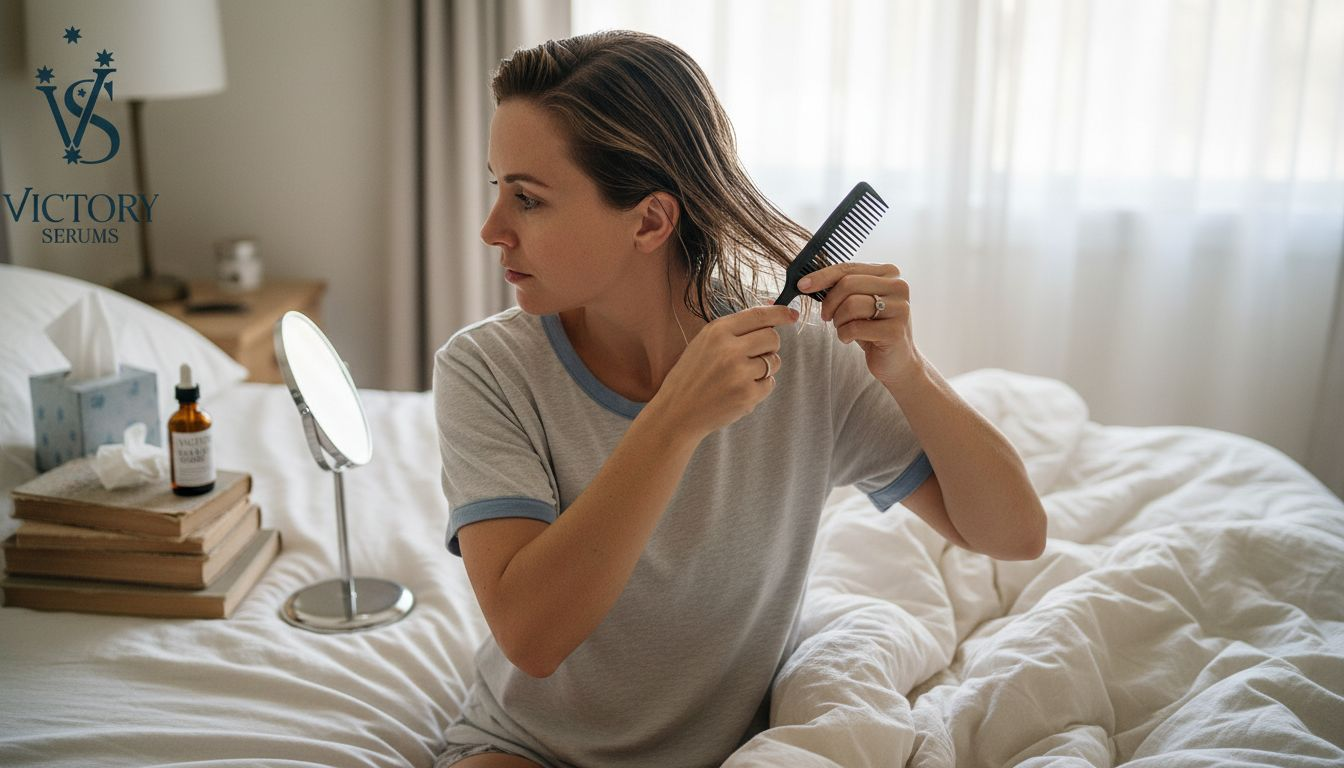
Common challenges include dryness from medicated shampoos and inconsistent application leading to recurrence. If dryness occurs, reduce shampoo frequency to once weekly and increase barrier-supporting products. If flakes return, resume intensive treatment for two to four weeks before transitioning back to maintenance.
Maintenance phases are critical. Research confirms that ongoing care sustains reductions in inflammatory markers and improves long-term scalp health. Shift from twice-weekly medicated shampooing to once-weekly or fortnightly applications once symptoms stabilise. Replace active treatments with gentle, pH-balanced cleansers and microbiome-friendly serums.

| Treatment phase | Duration | Focus | Product frequency |
|---|---|---|---|
| Intensive | 6-8 weeks | Reduce fungi, calm inflammation | Antifungal shampoo 2-3x/week |
| Maintenance | Ongoing | Sustain microbial balance, prevent flare-ups | Antifungal shampoo 1x/week or as needed |
| Lifestyle support | Continuous | Manage stress, optimise diet, avoid triggers | Daily barrier care, weekly exfoliation |
Use gentle moisturisers and barrier-supporting products during maintenance. Ingredients like ceramides, niacinamide, and natural oils strengthen the skin barrier, reducing susceptibility to microbial overgrowth. Long-term seborrheic dermatitis studies show safety and effectiveness of targeted treatments up to 52 weeks, validating extended maintenance protocols.
Pro Tip: Maintain a scalp-friendly diet rich in omega-3 fatty acids, zinc, and B vitamins to support immune function and skin integrity. Minimise processed sugars and inflammatory foods that may exacerbate microbial imbalance. Chronic stress disrupts cortisol regulation, weakening immune defences and worsening dandruff. Prioritise sleep, exercise, and stress management techniques.
Consult a healthcare professional if symptoms worsen, new irritation occurs, or treatments fail after eight weeks. Persistent dandruff may signal underlying conditions like psoriasis, eczema, or hormonal imbalances requiring specialised care. For ongoing support, explore scalp health maintenance strategies tailored to Australian climates and lifestyles.
Discover Victory Serums dandruff control solutions
If you’re ready to break free from daily chemical dependency, Victory Serums offers a comprehensive approach to scalp health. Our dandruff control suite combines targeted shampoos, serums, and conditioners formulated with pH awareness and microbiome compatibility in mind.

The Dandruff Control Intensive Scalp Serum works rapidly to calm flaking and irritation, applied weekly or as needed during flare-ups. Paired with our microbiome-friendly conditioning shampoo, the system supports your scalp’s natural rebalancing process without harsh daily intervention. Developed by pharmacists and grounded in functional health principles, Victory Serums helps you reduce product volume and frequency over time, guiding your scalp toward self-regulation and lasting relief.
How long does dandruff treatment take to work?
Dandruff treatment typically shows improvement within four to six weeks of consistent use. Most people notice reduced flaking and itching by week three, with significant results by eight to ten weeks. However, timelines vary based on severity, individual scalp response, and adherence to the protocol. Maintenance treatment is essential to prevent recurrence after initial control, as dandruff is a chronic condition prone to flare-ups without ongoing care.
Can dandruff be completely cured?
Dandruff is a chronic scalp condition that is managed rather than permanently cured. While effective treatment can eliminate symptoms for extended periods, the underlying susceptibility to microbial imbalance remains. Ongoing scalp care and microbiome balance are key to controlling symptoms and preventing flare-ups over the long term.
What are the best natural remedies for dandruff?
Natural remedies like tea tree oil, coconut oil, and polyherbal formulations demonstrate antimicrobial and soothing effects against dandruff-causing microbes. These options work well for mild cases and can complement medicated treatments. However, they should not replace evidence-based antifungal therapies for moderate to severe dandruff, as sustained control often requires targeted active ingredients.
For a deeper exploration, review natural dandruff remedies that align with microbiome-friendly principles.
When should I see a doctor for dandruff?
Seek medical advice if dandruff worsens, causes severe itching or redness, or does not improve after eight weeks of treatment. Professional diagnosis is important to rule out other scalp conditions like psoriasis, eczema, or fungal infections that require specialised care. If you notice spreading rashes, oozing, or signs of infection, consult a healthcare provider promptly.
Recommended
- Master Effective Scalp Exfoliation Steps for Dandruff Relief – Victory Serums
- How to Treat Dandruff Naturally for a Healthy Scalp – Victory Serums
- 6 Essential Oily Flakes Treatment Tips for Rapid Relief – Victory Serums
- Understanding anti-dandruff agents: sustainable relief – Victory Serums

Get the free 1-Week Guide to Scalp Health and uncover the real cause of your flakes.
Download the free guide
Matt Heron is the founder of Victory Serums, an Australian microbiome focused scalp care brand specialising in severe dandruff, yeast imbalance and chronic scalp instability. With more than four decades of personal experience managing persistent dandruff and extensive study of scalp biology, skin pH and barrier function, he developed targeted scalp serums that work within minutes or as leave in treatments. His Reset, Rebalance and Restore approach challenges daily anti-dandruff shampoo dependence and is helping redefine the way chronic dandruff is treated.