

Dandruff affects roughly 80% of adults at some point, yet most assume it’s simply a hygiene problem. The reality is far more complex. Dandruff stems from an intricate web of fungal activity, immune reactions, and microbiome disruptions that challenge conventional treatment approaches. This article unpacks the biological mechanisms driving scalp flaking and reveals evidence-based, microbiome-friendly strategies that address root causes rather than masking symptoms. You’ll discover why your scalp behaves the way it does and how to restore lasting balance without chemical dependency.
Table of Contents
- What Causes Dandruff: Understanding The Scalp Microbiome And Inflammation
- The Role Of Immune Response And Microbiome Imbalance In Dandruff
- Modern Treatment Approaches: Balancing Effectiveness And Microbiome Health
- Holistic Care Strategies: Combining Diet, Scalp Care, And Lifestyle
- Explore Microbiome-Friendly Dandruff Care With Victory Serums
- Frequently Asked Questions
Key takeaways
| Point | Details |
|---|---|
| Fungal overgrowth drives flaking | Malassezia fungi feed on scalp oils, triggering inflammation and accelerated skin turnover |
| Immune pathways sustain symptoms | Th1, Th17, and Th22 immune responses create chronic scalp inflammation in susceptible individuals |
| Microbiome balance matters | Dysbiosis between beneficial and harmful microbes worsens dandruff severity and persistence |
| Modern treatments target microbiome | Emerging therapies focus on restoring microbial harmony rather than suppressing symptoms indefinitely |
| Holistic care reduces chemical reliance | Diet, gentle cleansing, and stress management support scalp health alongside targeted treatments |
What causes dandruff: understanding the scalp microbiome and inflammation
Dandruff isn’t a single condition with a simple fix. It emerges from multiple biological factors converging on your scalp simultaneously. The primary culprit is Malassezia, a yeast-like fungus that naturally inhabits human skin but causes problems when it proliferates beyond healthy levels.
This fungus thrives on sebum, the oily substance your scalp produces. As Malassezia globosa feeds on these oils, it breaks them down into byproducts that irritate your skin. Your immune system detects this irritation and launches an inflammatory response. That inflammation speeds up skin cell turnover, causing immature cells to clump together and shed as visible flakes.
The condition becomes chronic when your scalp microbiome falls out of balance. A healthy scalp hosts diverse microbial communities that regulate each other through competition and cooperation. When that equilibrium tips, harmful species dominate and beneficial microbes decline. This dysbiosis amplifies inflammation and creates a self-perpetuating cycle.
Seborrheic dermatitis involves sebaceous gland activity, immune dysregulation, and microbiome alterations, especially Malassezia overgrowth. The condition manifests as greasy, yellowish scales on the scalp, face, and other sebum-rich areas. While dandruff and seborrheic dermatitis exist on a spectrum, they share common mechanisms.
Several factors determine your susceptibility:
- Genetic predisposition influences how aggressively your immune system responds to Malassezia
- Hormonal fluctuations alter sebum production, providing more fuel for fungal growth
- Environmental conditions like humidity and temperature affect microbial activity
- Stress hormones suppress immune regulation and promote inflammation
- Product buildup creates an artificial environment that favours harmful microbes
The misconception that poor hygiene causes dandruff persists because flaking becomes more visible when you don’t wash regularly. However, over-washing with harsh detergents strips protective oils and disrupts your microbiome, often worsening the problem. Your scalp needs balance, not aggressive cleansing.
Understanding these mechanisms shifts your approach from symptom suppression to addressing functional imbalances. When you recognise dandruff as a microbiome and immune issue rather than a cleanliness problem, treatment strategies become more targeted and effective.
The relationship between Malassezia and scalp flakes highlights why conventional shampoos provide only temporary relief. They reduce fungal populations temporarily but don’t restore the conditions needed for long-term microbial balance. The flakes return because the underlying dysbiosis remains unresolved.
The role of immune response and microbiome imbalance in dandruff
Your immune system doesn’t just react to Malassezia randomly. Specific immune pathways activate in response to fungal antigens and inflammatory signals. Th1, Th17, and Th22 axes contribute to the immunoinflammatory environment in seborrheic dermatitis. These pathways release cytokines that recruit immune cells to your scalp, intensifying inflammation and accelerating the flaking process.
The Th17 pathway deserves particular attention. It produces interleukin-17, a signalling molecule that promotes rapid skin cell proliferation. In healthy skin, this pathway helps defend against pathogens. In dandruff-prone scalps, it becomes overactive and drives excessive cell turnover. The Th22 pathway similarly contributes by disrupting normal skin barrier function.
Not everyone experiences the same immune response intensity. Some people can host substantial Malassezia populations without developing symptoms. Others react strongly to minimal fungal presence. This variability explains why identical twins can have vastly different dandruff experiences despite sharing genetics and environment.
Microbiome composition plays an equally critical role. Recent research reveals that dandruff involves more than just Malassezia. Microbial dysbiosis includes Malassezia furfur and Staphylococcus epidermidis contributing to dandruff pathology. Staphylococcus species can produce inflammatory compounds that worsen scalp irritation independently of fungal activity.
The bacterial community structure matters as much as fungal populations. Beneficial bacteria like certain Cutibacterium species help maintain an acidic scalp pH that naturally inhibits harmful microbes. When these protective species decline, the environment becomes more hospitable to inflammatory organisms. This cascade effect means addressing only fungal overgrowth leaves half the problem unsolved.
Key microbial imbalances include:
- Elevated Malassezia furfur and globosa ratios compared to healthy scalps
- Reduced diversity of protective bacterial species
- Increased populations of inflammatory Staphylococcus strains
- Disrupted biofilm formation that normally regulates microbial interactions
- Altered metabolic activity producing more irritating byproducts
Your scalp’s pH influences which microbes thrive. Healthy scalps maintain a slightly acidic environment around 4.5 to 5.5. This acidity favours beneficial bacteria and limits fungal proliferation. Alkaline products shift the pH upward, creating conditions where Malassezia flourishes and protective species struggle. Even small pH changes can trigger significant microbial shifts.
The connection between scalp itch and microbiome disruption demonstrates how these factors interact. Itching results from inflammatory mediators released during immune responses. Scratching damages your skin barrier, allowing deeper microbial penetration and intensifying inflammation. This creates another self-reinforcing cycle that perpetuates symptoms.
Individual immune profiles determine treatment responsiveness. Some people need approaches that calm overactive Th17 pathways. Others benefit more from strategies that restore microbial diversity. Personalised care acknowledges these differences rather than applying one-size-fits-all solutions.
Modern treatment approaches: balancing effectiveness and microbiome health
Conventional dandruff treatments focus on suppressing fungal growth and reducing inflammation. Traditional therapies rely on antifungals, corticosteroids, and calcineurin inhibitors but may be insufficient for long-term control. These medications work quickly but often require continuous use. When you stop, symptoms frequently return because the underlying microbiome imbalance persists.
Antifungal shampoos containing ketoconazole, selenium sulfide, or zinc pyrithione kill Malassezia effectively. However, they also impact beneficial microbes and can alter your scalp’s natural protective mechanisms. Daily use creates dependency where your scalp loses its ability to self-regulate. The goal should be restoring balance, not permanent suppression.
Corticosteroids reduce inflammation rapidly but carry risks with prolonged use. They can thin your skin, suppress local immune function, and create rebound flares when discontinued. Calcineurin inhibitors like tacrolimus offer anti-inflammatory benefits without steroid side effects but work slowly and may irritate sensitive scalps.
The treatment landscape is evolving toward microbiome-conscious approaches. Emerging options include PDE4 inhibitors, JAK inhibitors, probiotics and microbiome-targeted therapies offering promise for resistant cases. These newer strategies aim to modulate immune pathways more precisely or restore microbial harmony rather than indiscriminately killing organisms.
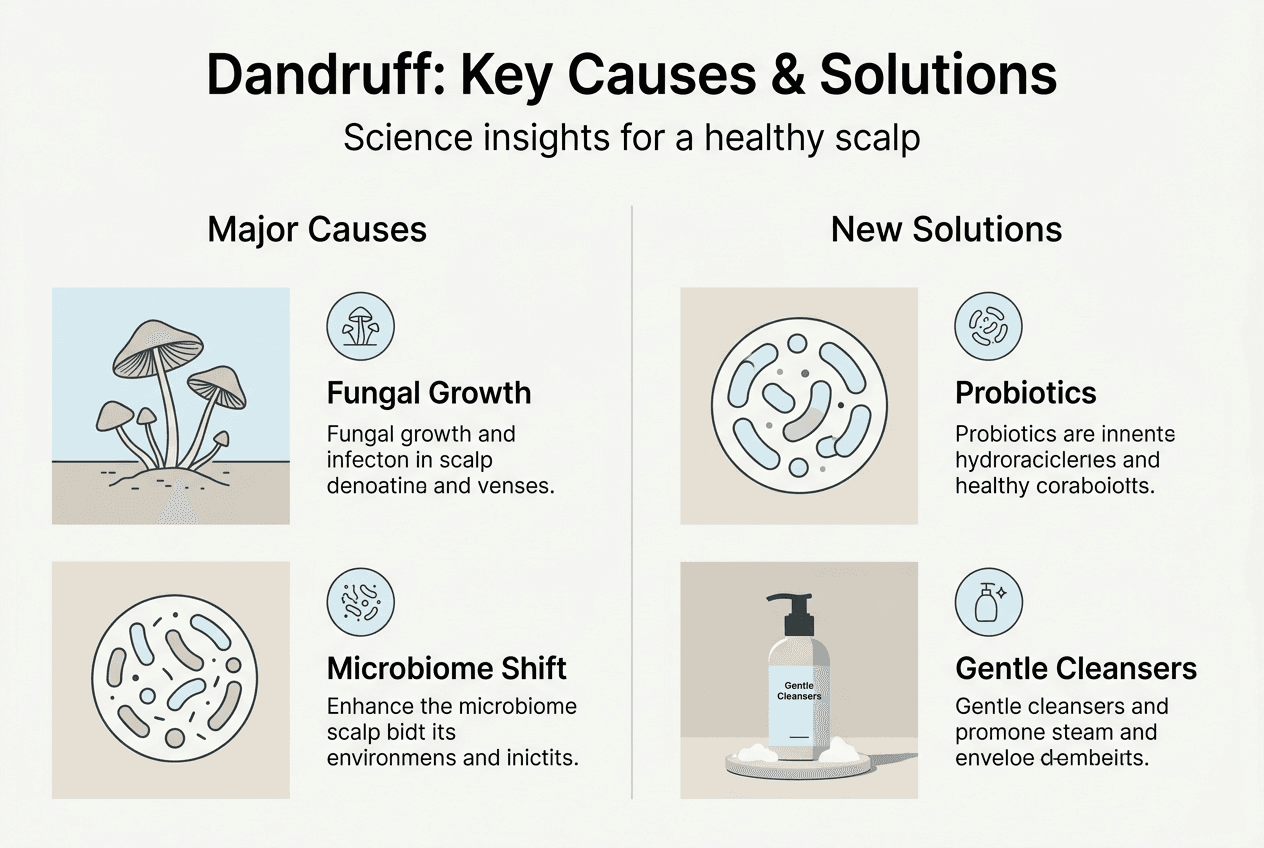
Probiotics represent a particularly interesting frontier. Topical application of beneficial bacteria strains can help re-establish protective microbial communities. Oral probiotics may influence scalp health through the gut-skin axis, reducing systemic inflammation that contributes to scalp symptoms. Research in this area is still developing but shows encouraging results.
| Treatment Category | Mechanism | Microbiome Impact | Best Use Case |
|---|---|---|---|
| Antifungal shampoos | Kill Malassezia directly | Disrupts beneficial microbes with frequent use | Acute flare control, intermittent use |
| Corticosteroids | Suppress inflammation | Minimal direct microbial effect | Short-term severe inflammation |
| Microbiome serums | Restore microbial balance | Supports beneficial species | Long-term maintenance, prevention |
| Probiotics | Introduce protective bacteria | Actively improves diversity | Resistant cases, holistic approach |
| JAK/PDE4 inhibitors | Modulate immune pathways | Indirect benefit via reduced inflammation | Chronic cases unresponsive to conventional treatment |
Microbiome-friendly formulations prioritise pH balance and gentle cleansing. Products formulated below pH 5 support the acidic environment beneficial microbes prefer. They remove excess oil and debris without stripping protective barriers. This approach allows your scalp to gradually restore its natural regulatory capacity.
The concept of minimal effective intervention guides modern protocols. Rather than daily aggressive treatment, you use targeted products during flares and gentle maintenance between episodes. This reduces chemical exposure while giving your microbiome space to rebalance naturally. Over time, flare frequency and severity typically decline.
Pro Tip: Start with the gentlest effective approach and escalate only if needed. Your scalp responds better to gradual rebalancing than aggressive intervention. Track your symptoms and product use to identify what works for your unique microbiome.
Sustainable anti-dandruff agents focus on ingredients that address root causes without creating dependency. Plant-derived compounds like tea tree oil, eucalyptus, and neem show antifungal properties while supporting microbial diversity. These natural microbiome-safe options can complement or replace synthetic chemicals depending on symptom severity.
The future of dandruff care lies in personalised microbiome analysis. Imagine testing your scalp’s microbial composition and receiving tailored probiotic blends or targeted antimicrobials based on your specific dysbiosis pattern. This precision approach is becoming more accessible as testing costs decrease and our understanding of scalp ecology deepens.
Holistic care strategies: combining diet, scalp care, and lifestyle
Your scalp doesn’t exist in isolation from the rest of your body. Systemic factors influence local microbiome health and immune responses. Nutraceuticals like probiotics and prebiotics may help manage dandruff by modulating the gut-skin axis and reducing inflammation. What you eat affects the nutrients available to both your cells and your microbial residents.
The gut-skin connection operates through multiple pathways. Gut microbes produce metabolites that enter your bloodstream and influence skin inflammation. Probiotic bacteria in your digestive system can reduce systemic inflammatory markers that contribute to scalp sensitivity. Prebiotic fibres feed beneficial gut microbes, supporting this anti-inflammatory effect.
Dietary considerations for scalp health:
- Increase omega-3 fatty acids from fish, flaxseed, or walnuts to reduce inflammatory signalling
- Consume probiotic-rich foods like yoghurt, kefir, sauerkraut, or kimchi to support gut microbiome diversity
- Include prebiotic fibres from vegetables, legumes, and whole grains to nourish beneficial bacteria
- Limit refined sugars and processed foods that promote inflammatory responses
- Ensure adequate B vitamins, zinc, and selenium which support skin barrier function
- Stay hydrated to maintain optimal skin moisture and barrier integrity
Topical care routines should complement your body’s natural processes. Avoiding harsh chemicals supports microbiome health and reduces scalp irritation. Choose sulfate-free cleansers that remove buildup without stripping protective oils. Rinse thoroughly to prevent product residue from creating an artificial environment.
Washing frequency matters more than you might think. Over-washing disrupts your scalp’s oil production feedback loop, often triggering increased sebum output that feeds Malassezia. Under-washing allows buildup that harbours harmful microbes. Most people find balance washing every two to four days, though individual needs vary based on oil production and lifestyle.
Temperature affects your scalp ecosystem. Hot water strips oils and can irritate sensitive skin. Cold water doesn’t cleanse effectively. Lukewarm water provides the best balance for thorough cleansing without disruption. Similarly, avoid heat styling tools directly on your scalp, as excessive heat alters the local environment.
Stress management deserves serious attention in any scalp care protocol. Chronic stress elevates cortisol, which suppresses immune regulation and promotes inflammation. It also alters gut microbiome composition, indirectly affecting your scalp through the gut-skin axis. Regular stress reduction practices like meditation, exercise, or adequate sleep can measurably improve dandruff symptoms.
Pro Tip: Keep a symptom diary tracking flare timing, diet, stress levels, and product use. Patterns often emerge revealing personal triggers you can then avoid. This data-driven approach helps you develop truly personalised care strategies.
Environmental factors require consideration too. Low humidity dries your scalp, triggering compensatory oil production. High humidity can promote fungal growth. Air conditioning and heating systems affect both humidity and temperature. Adjust your routine seasonally, using more intensive moisture support in dry months and lighter products when humidity rises.
Microbiome-friendly prevention strategies emphasise creating conditions where beneficial microbes thrive naturally. This includes using products formulated at appropriate pH levels, minimising chemical exposure, and supporting your scalp’s innate regulatory mechanisms. Prevention proves easier than treatment once you understand the principles.
Physical activity benefits scalp health through improved circulation and stress reduction. Exercise increases blood flow to your scalp, delivering nutrients and removing metabolic waste. It also promotes better sleep quality, which supports immune function and tissue repair. Just remember to rinse sweat promptly, as salt residue can irritate sensitive scalps.
Australian-made scalp care products often incorporate native botanicals with antimicrobial and soothing properties. Tea tree oil, eucalyptus, and other indigenous plants offer therapeutic benefits while supporting microbiome diversity. Local formulation also means products designed for Australian climate conditions and water quality.
Explore microbiome-friendly dandruff care with Victory Serums
If you’re ready to move beyond daily chemical suppression and address the functional drivers behind your scalp imbalance, Victory Serums offers a science-informed alternative. Their targeted scalp serum works rapidly during flares while supporting long-term microbiome balance. The formulation respects your scalp’s natural pH range and microbial ecology.

The complete dandruff control collection provides everything needed for the Reset, Rebalance, Restore framework. These pharmacist-developed products minimise chemical dependency through strategic, intermittent use rather than daily application. You’ll find detailed guidance in their free 1-Week Scalp Health Guide, which integrates topical care with gut health and trigger identification. This structured approach empowers you to reduce product volume and frequency over time, achieving genuine scalp self-regulation.
Frequently asked questions
What causes dandruff to flare up?
Flares typically result from increased Malassezia activity triggered by stress, hormonal changes, seasonal shifts, or irritating hair products. Weather extremes alter your scalp’s moisture and temperature, creating conditions that favour fungal proliferation. Stress hormones suppress immune regulation, allowing inflammation to intensify. Managing these triggers through gentle care and stress reduction helps control flare frequency and severity.
Can diet affect dandruff and scalp health?
Absolutely. Your diet influences systemic inflammation levels that contribute to scalp sensitivity and immune overreaction. Probiotic and prebiotic intake supports healthy gut microbiome composition, which communicates with your skin through the gut-skin axis. Anti-inflammatory foods like omega-3 rich fish reduce inflammatory mediators that worsen dandruff. While diet alone won’t cure severe dandruff, it provides essential support that makes topical treatments more effective and helps maintain long-term balance.
Are natural remedies effective for dandruff?
Some plant-based ingredients demonstrate genuine antifungal and anti-inflammatory properties. Tea tree oil, eucalyptus, and neem show activity against Malassezia and other dandruff-associated microbes in research studies. However, effectiveness varies significantly based on formulation, concentration, and individual microbiome composition. Natural remedies work best as part of a comprehensive approach combining appropriate cleansing, microbiome support, and lifestyle factors rather than as standalone treatments.
How to reduce reliance on chemical shampoos for dandruff?
Transition gradually by using medicated shampoos only during active flares rather than daily. Between episodes, switch to gentle, microbiome-friendly cleansers formulated below pH 5 that maintain your scalp’s natural protective environment. Incorporate dietary improvements, stress management, and probiotic support to address systemic factors contributing to flares. Work with healthcare professionals to develop a personalised protocol that identifies your specific triggers and optimal maintenance routine, reducing chemical intervention to the minimum effective level.
Is seborrheic dermatitis the same as dandruff?
They exist on the same spectrum but differ in severity and distribution. Dandruff typically presents as mild flaking confined to the scalp. Seborrheic dermatitis involves more intense inflammation, greasy yellowish scales, and often affects other sebum-rich areas like eyebrows, nose creases, and chest. Both conditions share underlying mechanisms involving Malassezia overgrowth, immune dysregulation, and microbiome imbalance. Treatment approaches overlap significantly, though seborrheic dermatitis may require more intensive intervention and professional medical guidance for adequate control.
Recommended
- What causes scalp flakes? Malassezia affects 80% of cases – Victory Serums
- Understanding anti-dandruff agents: sustainable relief – Victory Serums
- Australian scalp care: microbiome balance for 2026 – Victory Serums
- Dandruff prevention tips for microbiome-friendly care 2026 – Victory Serums

Get the free 1-Week Guide to Scalp Health and uncover the real cause of your flakes.
Download the free guide
Matt Heron is the founder of Victory Serums, an Australian microbiome focused scalp care brand specialising in severe dandruff, yeast imbalance and chronic scalp instability. With more than four decades of personal experience managing persistent dandruff and extensive study of scalp biology, skin pH and barrier function, he developed targeted scalp serums that work within minutes or as leave in treatments. His Reset, Rebalance and Restore approach challenges daily anti-dandruff shampoo dependence and is helping redefine the way chronic dandruff is treated.